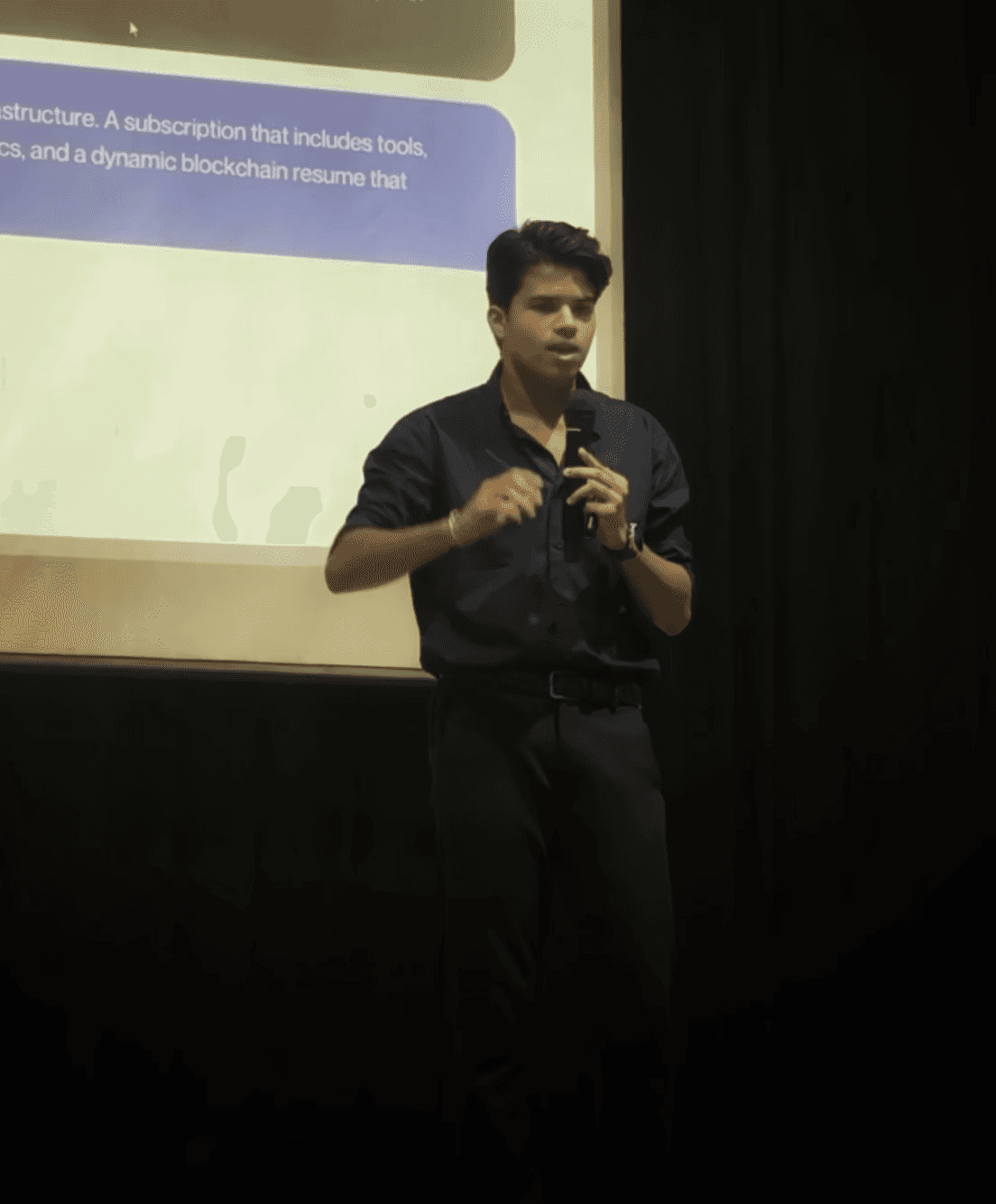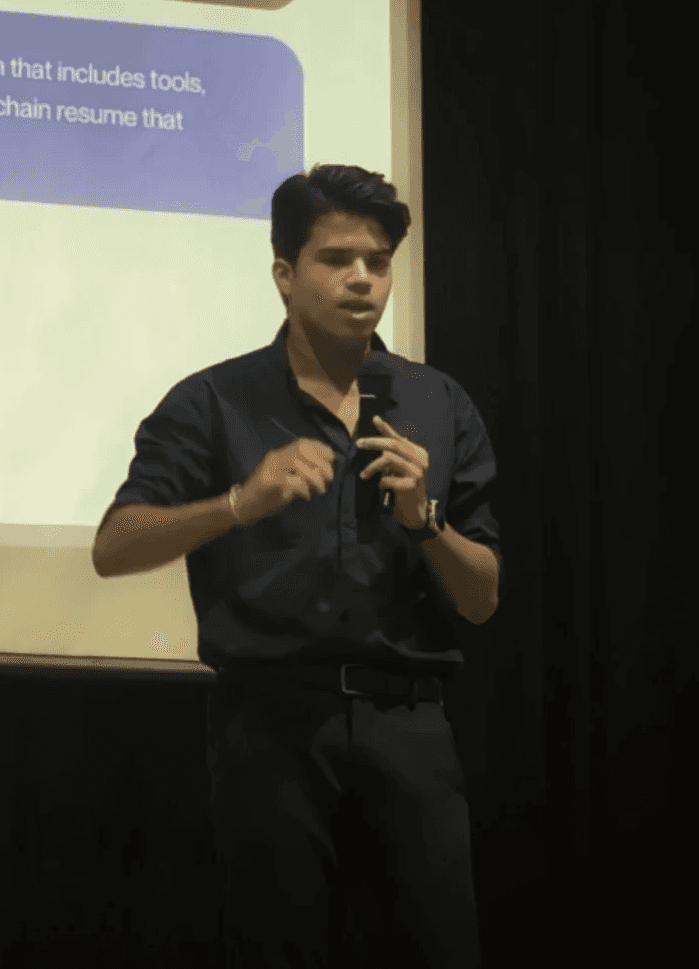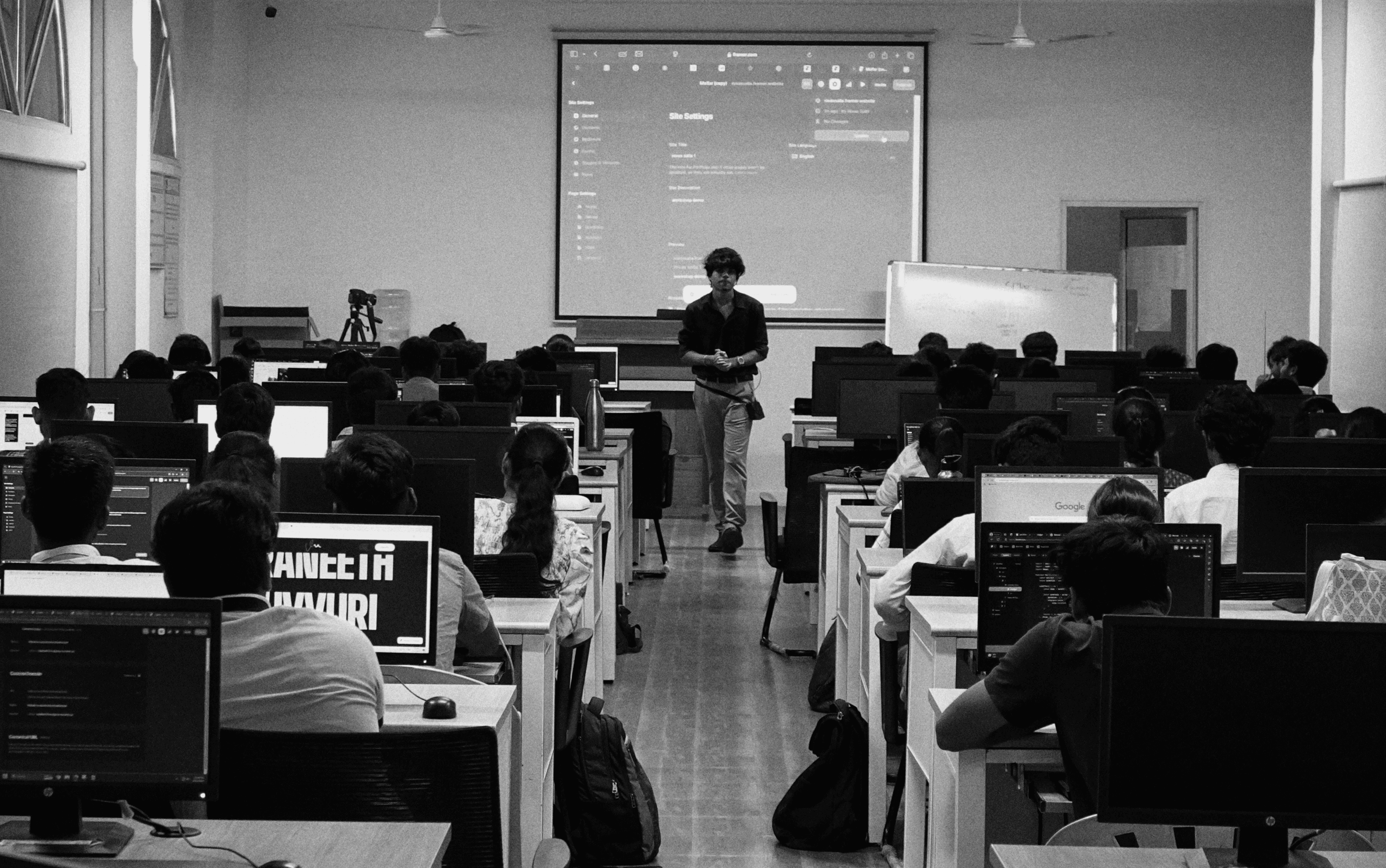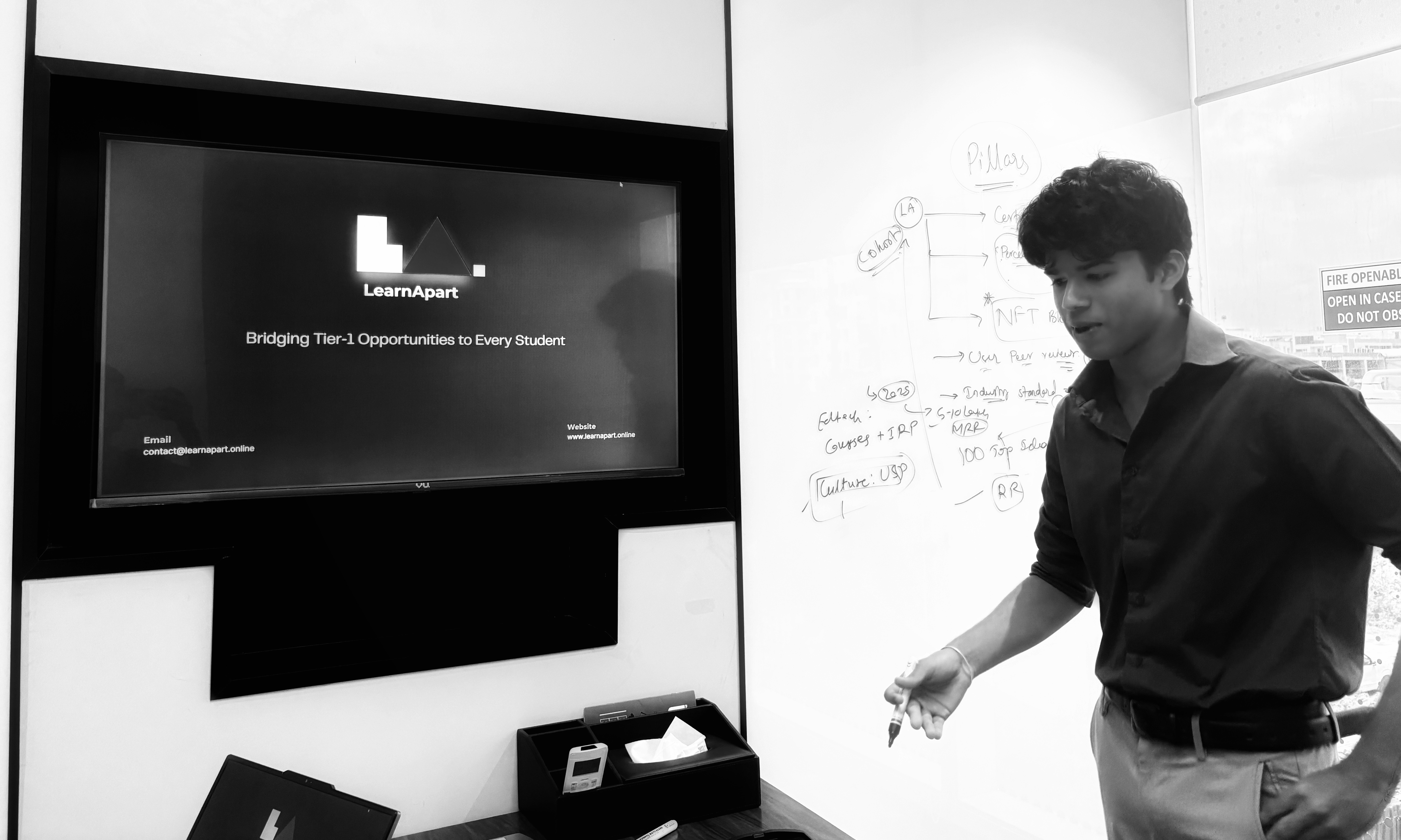


All India workshops built for

All India workshops built for

All India workshops built for

E

n

t

r

e

p

r

e

n

e

u

r

s

E

n

t

r

e

p

r

e

n

e

u

r

s


5000+ Builder Community


5000+ Builder Community


5000+ Builder Community

5000+ Builder Community

5000+ Builder Community

5000+ Builder Community


5000+ Builder Community


5000+ Builder Community


5000+ Builder Community

5000+ Builder Community

5000+ Builder Community

5000+ Builder Community

5000+ Builder Community

5000+ Builder Community

5000+ Builder Community

This isn’t optional anymore.

Why You Absolutely Attend LearnApart Workshops

Why You Absolutely Attend LearnApart Workshops

Most college workshops are tourism. You sit in a hall, someone shows slides about "the future of AI," you clap, take a selfie, post it on LinkedIn with 17 hashtags, and go back to watching tutorials you'll never finish.


We don't do that.


We show up, we build, we ship. You leave with a project running on a server with a URL you can send to your mom. Not a certificate. Not inspiration. A thing that works.


We're not teaching you to follow the roadmap. We're teaching you to build the roads


That's the difference between us and literally everyone else.
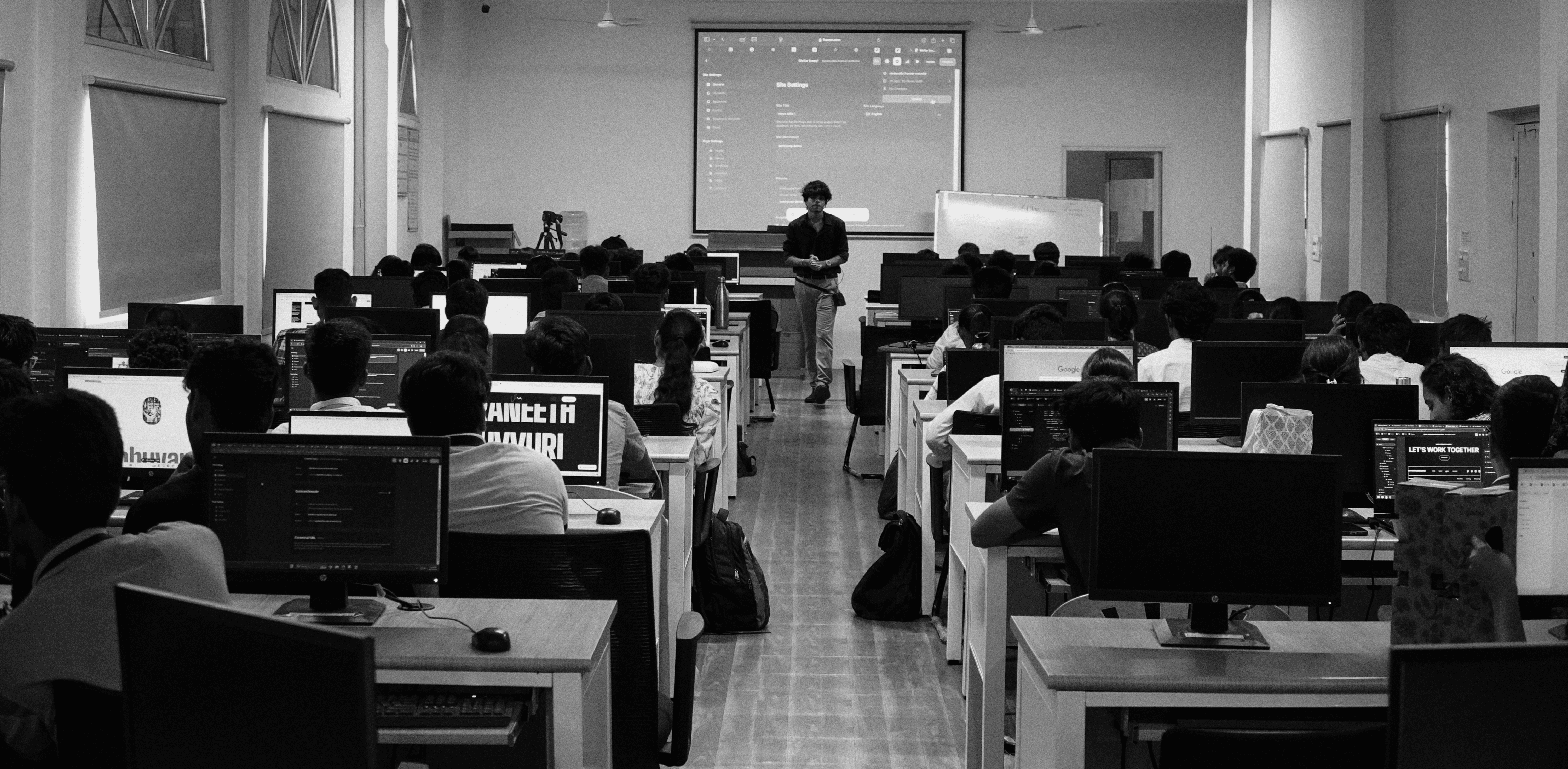
Actual engineering for YOU

This isn’t for everyone.

This isn’t for everyone.

4,860 builders

1,340 projects

22 workshops

4.7/5 stars

That's 4,860 people who were stuck in tutorial hell Bookmarking courses, watching "roadmap" videos, waiting for the "right time" to start. We gave them one day, one problem, and one deploy button. They left with live projects, not to-do lists. Most of them had never shipped anything before walking into our workshop. All of them left with a URL they could send to recruiters. That's not a student count. That's a movement.

4,860 builders

1,340 projects

22 workshops

4.7/5 stars

That's 4,860 people who were stuck in tutorial hell Bookmarking courses, watching "roadmap" videos, waiting for the "right time" to start. We gave them one day, one problem, and one deploy button. They left with live projects, not to-do lists. Most of them had never shipped anything before walking into our workshop. All of them left with a URL they could send to recruiters. That's not a student count. That's a movement.

4,860 builders

1,340 projects

22 workshops

4.7/5 stars

That's 4,860 people who were stuck in tutorial hell Bookmarking courses, watching "roadmap" videos, waiting for the "right time" to start. We gave them one day, one problem, and one deploy button. They left with live projects, not to-do lists. Most of them had never shipped anything before walking into our workshop. All of them left with a URL they could send to recruiters. That's not a student count. That's a movement.

All of this is not education. It is transformation.

All of this is not education. It is transformation.

All of this is not education. It is transformation.

  • Build. Ship. Operate. Leverage. its LearnApart

    Build. Ship. Operate. Leverage. its LearnApart

Event agenda

Discover the Full Learnapart
Tech Workshop Frameworks

Discover the Full Learnapart
Tech Workshop Frameworks

Main

Agentsphere

Main

Agentsphere

Agentsphere

Automating Using First Principles

The flagship. The standard. The one that made colleges stop doing theory workshops.

What It Is

The Movement

Agentsphere isn't a workshop. It's a movement across 5 colleges where 2,200 students built 3,000 autonomous agents that are still running today. Not demos. Not tutorials. Production systems that save 24,000 hours every month.

This is the workshop that made tier-2 colleges realize their students could build systems that tier-1 colleges only theorize about.
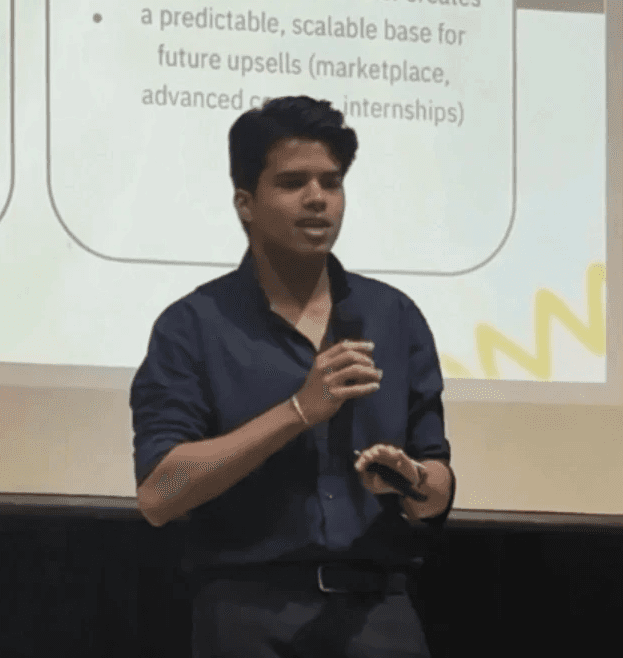
by Nivas Salla

CEO, Learnapart

The Numbers That Matter

The Numbers That Matter

2,200+ builders who went from "I've heard of AI" to "I deployed an agent"
3,000+ agents created — and 70% are still actively running
620 projects shipped with GitHub repos you can actually clone
180 production deployments that people use daily
4.8/5 rating across every cohort
72% repeat invite rate — colleges don't bring you back unless it works

But here's the number that matters most: 76% built their first real project in this workshop. Their first. Not their tenth tutorial. Their first actual thing that works.

Strategy

The Format (How It Actually Works)

Duration: 6-hour intensive hands-on day + follow-up async sprints
Cohort size: ~180 builders per session
Mentor ratio: 1:25 (we're there when your code breaks)
Faculty involvement: 1 liaison per college (they see the magic happen)

What happens:

  • Hour 1-2: Strip AI down to first principles. No jargon. No hand-waving. You'll understand why LangChain exists, not just how to use it.


  • Hour 3-5: Build. Your hands are on the keyboard. We're debugging next to you when localhost refuses to cooperate.


  • Hour 6: Deploy. Ship. Demo. You leave with a live agent and a URL.


  • Post-workshop: Async sprints where you iterate, improve, and ship version 2.


Completion rate: 80% finish and deploy. The other 20%? They finish within a week with our post-workshop support.

Audience

Who This Is For

Tier-2/3 college students who are tired of being told they're "not IIT material"
even Non-CS students who want to automate their field (we've had mech engineers build better agents than CS seniors)
First-timers — 60% had never touched AI before this workshop
Club leaders who want to actually use automation, not just talk about it

If you can follow instructions, Google errors, and push through when things break — you're ready.

Ready to Bring Agentsphere to Your Campus?

Minimum cohort: 120 builders
Optimal cohort: 300 builders
Timeline: 3-4 weeks from confirmation to workshop day

[Host Agentsphere at Your College]

Tier-2/3 college students who are tired of being told they're "not IIT material"
even Non-CS students who want to automate their field (we've had mech engineers build better agents than CS seniors)
First-timers — 60% had never touched AI before this workshop
Club leaders who want to actually use automation, not just talk about it

If you can follow instructions, Google errors, and push through when things break — you're ready.

Ready to Bring Agentsphere to Your Campus?

Minimum cohort: 120 builders
Optimal cohort: 300 builders
Timeline: 3-4 weeks from confirmation to workshop day

[Host Agentsphere at Your College]

Top 2

AI IN A DAY

Top 2

AI IN A DAY

AI Talk

From Concept to Working Agent in One Weekend
The fast track. The sprint. The "I need to ship AI now" workshop.

What It Is

The Brain

AI in a Day is our 5-hour intensive that takes complete beginners and turns them into people with deployed AI projects. No fluff. No slides for the sake of slides. Just build, deploy, demo.

This is the workshop for students who don't have 6 hours across multiple days. They have one Saturday. And by Sunday morning, they have a project on GitHub.

Records

The Numbers That Matter

1,500+ builders who went from zero to shipped in one day
420 projects deployed and live
80% had never touched AI before walking in
86% built their first project during the workshop
4.6/5 rating — they came skeptical, left believers
60% repeat invite rate from colleges

Median time to ship: 28 hours from workshop start to deployed agent.

Most people spend 28 hours watching YouTube videos about AI. Our students spend 28 hours building and deploying.

Outcomes

What You Actually Build

A working AI system. Not a "hello world" script. Not copy-paste from ChatGPT. A functional prototype that:

  • Calls APIs intelligently

  • Processes input and generates output

  • Handles basic errors without crashing

  • Runs on a server you can share


Projects students shipped:

  • Twitter bot summarizers used by campus publications to digest threads

  • Call agents that handle simple support queries

  • Document processors that extract key info from PDFs

  • Content generators that write, edit, and format text

  • Workflow automators that connect tools and trigger actions

Strategy

The Format (How It Actually Works)

Duration: 5-hour single-day intensive + 2-week mentor follow-up
Cohort size: ~180 builders
Mentor ratio: 1:20 (we move fast, but nobody gets left behind)

What happens:

  • Hour 1: AI fundamentals. What's actually happening when you "prompt" something. How models work without the mysticism.

  • Hour 2-4: Hands-on build sprint. You pick a problem, we guide the architecture, you write the code.

  • Hour 5: Deploy and demo. Everyone ships. Everyone shows their work.

  • Post-workshop: 2 weeks of mentor access for debugging and iteration.

Completion rate: 72% deploy during the session. The rest finish within 48 hours with our support.

Ready to Run AI in a Day?

Minimum cohort: 100 builders
Optimal cohort: 250 builders
Timeline: 2-3 weeks from confirmation to workshop day

[Host AI in a Day at Your College]

Duration: 5-hour single-day intensive + 2-week mentor follow-up
Cohort size: ~180 builders
Mentor ratio: 1:20 (we move fast, but nobody gets left behind)

What happens:

  • Hour 1: AI fundamentals. What's actually happening when you "prompt" something. How models work without the mysticism.

  • Hour 2-4: Hands-on build sprint. You pick a problem, we guide the architecture, you write the code.

  • Hour 5: Deploy and demo. Everyone ships. Everyone shows their work.

  • Post-workshop: 2 weeks of mentor access for debugging and iteration.

Completion rate: 72% deploy during the session. The rest finish within 48 hours with our support.

Ready to Run AI in a Day?

Minimum cohort: 100 builders
Optimal cohort: 250 builders
Timeline: 2-3 weeks from confirmation to workshop day

[Host AI in a Day at Your College]

New AGE

ZERO-TO-ONE SYSTEMS

New AGE

ZERO-TO-ONE SYSTEMS

Workshop: Driving ROI with Data

Think Like a Founder. Build Like an Engineer.

The workshop without the startup theater. Pure systems thinking.

Idea

What It Is

Zero-to-One Systems strips away pitch decks, founder stories, and startup noise. What's left? Pure problem-solving architecture. 980 students learned to look at any messy real-world problem—campus administration, club coordination, hostel logistics—and rebuild it as a system. Not a company. Not a cap table. Just ruthless constraint mapping, leverage identification, and execution.

This is the workshop that teaches you to see the world differently. Every broken process becomes an opportunity. Every manual workflow becomes automation waiting to happen. Every "that's just how it works" becomes "that's fixable."
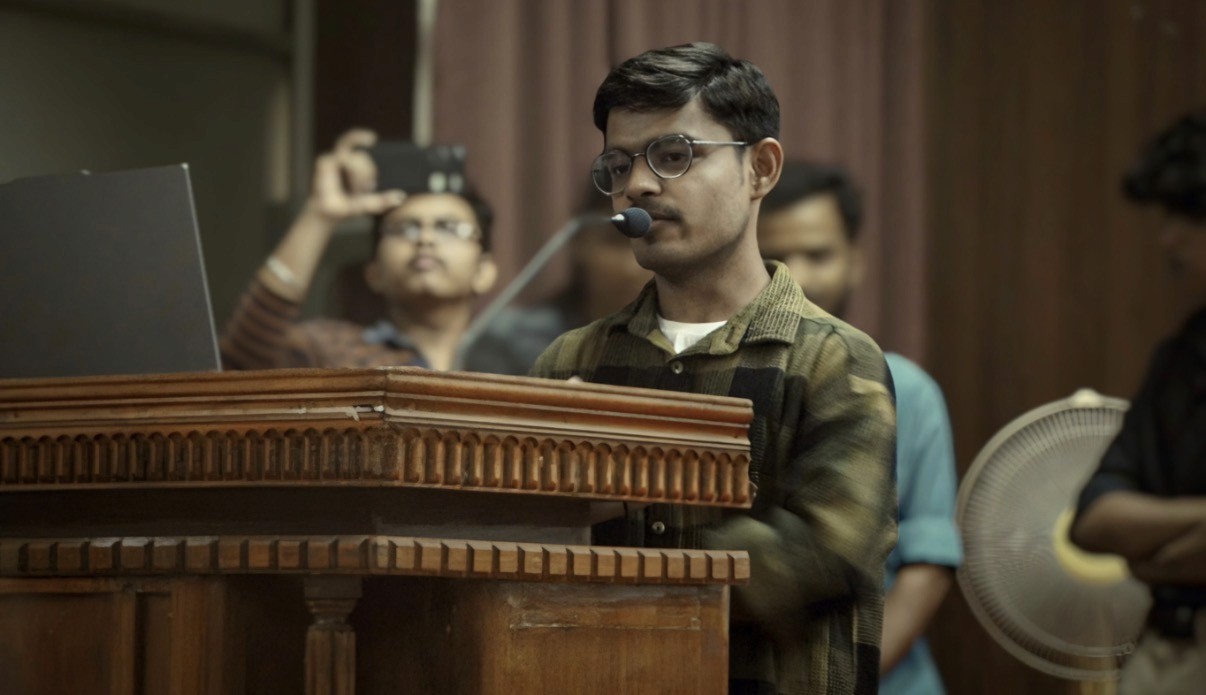
by Nivas Salla

CEO, Learnapart

by Nivas Salla

CEO, Learnapart

by Ayush Kulkarni

COO, Learnapart

by Ayush Kulkarni

COO, Learnapart

Records

The Numbers That Matter

980 builders who learned to think in systems, not just features
360 system prototypes built and deployed
140 real-world problems modeled from first principles
7 days average from workshop to first working system
42% confidence increase in "I can break down and solve complex problems"
4.6/5 rating from students who finally understood how things actually work
55% repeat invite rate from colleges who saw institutional problems get solved

But here's what matters most: Students stopped seeing problems as unchangeable and started seeing them as systems waiting to be rebuilt.

Outcomes

What You Actually Build

Not startups. Not pitch decks. Working system prototypes that solve real institutional problems.

A real system that:

  • Maps all actors, flows, constraints, and failure points

  • Identifies the leverage point where one change creates 10x impact

  • Automates the bottleneck that's killing efficiency

  • Runs with minimal human intervention

  • Can be handed off and maintained by non-technical people


Common systems students shipped:

  • Mess attendance & inventory system that reduced food waste by 30% using QR tracking + prediction algorithms

  • Club event coordination system that cut double-bookings from 40% to 3% with centralized resource calendars

  • Library return automation that dropped late returns by 65% using SMS/email reminder loops

  • Hostel maintenance tracking that reduced average fix time from 8 days to 2 days with automated assignment

  • Exam hall allocation optimizer that saved 12 hours of manual planning per semester

Strategy

The Format (How It Actually Works)

Duration: 5-hour intensive + 2-week build sprint
Cohort size: ~180 builders per session
Mentor ratio: 1:25 (we're mapping constraints with you)
Faculty involvement: Critical—they help identify real institutional problems

What happens:

Hour 1: Deconstruct a Real System
We pick a messy campus problem. Break it down live. Map actors, flows, constraints, failure points. No solution yet—just pure understanding of what's actually broken.

Hour 2: First Principles Rebuilding
Strip away legacy. If you were designing this from scratch, what would it look like? What's essential? What's waste? Where's the leverage point?

Hour 3: Constraint Mapping
What's stopping the ideal solution? Budget? People? Technology? Politics? We map every constraint and rank them by solvability. You learn to design around constraints, not pretend they don't exist.

Hour 4: Prototype Sprint
Build the minimum viable system. Just the core loop that proves it works. Wireframe, flowchart, or rough code—whatever communicates the system clearly.

Hour 5: Execution Planning
What gets built in the next 7 days? How do you test it? Who validates it? We don't leave you with theory—you leave with a buildable plan.

Post-workshop: 2-Week Build Sprint
Discord support. Office hours. We check in on day 3, day 7, day 14. Most systems are working by day 7. The rest by day 14.

Completion rate: 65% have a working system prototype within 14 days. The rest learned why their approach wouldn't work—which is just as valuable.

Mental Models

The Four Pillars (What You Actually Absorb)

1. Problem Selection

Not "what's a cool idea" but "what's a solvable constraint." Learn to identify problems that are:

  • High pain, low current solution quality

  • Solvable with available resources (tech, people, permissions)

  • Measurable—you'll know if it works


2. Constraint Mapping

Every system has constraints: time, money, people, technology, politics. Learn to map them, rank them, and design around them—not pretend they don't exist.

3. Leverage Points

Where can one change create 10x impact? Not every part of a system matters equally. Learn to find the bottleneck, the critical path, the point where automation actually pays off.

4. Execution Loops

Build → Test → Measure → Iterate. Fast. No perfectionism. No "wait till it's ready." Ship the minimum system that proves the concept works.

Ready to Bring Zero-to-One Systems to Your Campus?

Minimum cohort: 150 builders
Optimal cohort: 300 builders
Timeline: 3-4 weeks from confirmation to workshop day

Bonus: We help identify 3-5 real campus problems before the workshop. Students solve actual institutional challenges, not made-up exercises.

[Host Zero-to-One Systems at Your College]

1. Problem Selection

Not "what's a cool idea" but "what's a solvable constraint." Learn to identify problems that are:

  • High pain, low current solution quality

  • Solvable with available resources (tech, people, permissions)

  • Measurable—you'll know if it works


2. Constraint Mapping

Every system has constraints: time, money, people, technology, politics. Learn to map them, rank them, and design around them—not pretend they don't exist.

3. Leverage Points

Where can one change create 10x impact? Not every part of a system matters equally. Learn to find the bottleneck, the critical path, the point where automation actually pays off.

4. Execution Loops

Build → Test → Measure → Iterate. Fast. No perfectionism. No "wait till it's ready." Ship the minimum system that proves the concept works.

Ready to Bring Zero-to-One Systems to Your Campus?

Minimum cohort: 150 builders
Optimal cohort: 300 builders
Timeline: 3-4 weeks from confirmation to workshop day

Bonus: We help identify 3-5 real campus problems before the workshop. Students solve actual institutional challenges, not made-up exercises.

[Host Zero-to-One Systems at Your College]

NEW AGE ALGORITHMS: BREAKING THE MATRIX

We don't just use tools.

We don't just use tools.

We understand the ghosts in the machine.

We understand the ghosts in the machine.

AI Agents

Neural Architectures

SLM

RAG

Extreme Ownership

Zero-BS Output

Blue 3D Abstract
Blue 3D Abstract
Blue 3D Abstract

The Attention Economy:

How Instagram and Google decide what goes viral. Spoiler: it's not luck. It's math you can learn.

Stats
Stats
Stats

Asymmetric
Leverages

NEW

One person with automation can do what 10 people do manually. We teach you to work smarter, not just harder.
UI
UI
UI

Mental Models for Founders

Real engineers can explain their code to anyone. If you can't rebuild it from scratch, you didn't really build it.

Mobile View
Mobile View

On-Chain Credibility

NEW

Your projects prove more than your percentage ever will. Build things that recruiters can actually click and see.

3D Abstracts
3D Abstracts

Extreme Problem Solving (EPS)

NEW

The world doesn't care about your "effort"; it cares about your output. We train you to ship when everything's breaking and deadlines are real.

Questions

FAQs - The Questions Everyone Has (And Won't Ask)

FAQs - The Questions Everyone Has (And Won't Ask)

Whats the entry price for these workshops

I don't know how to code. Can I still attend?

I'm in first year. Is this too advanced for me?

What if I'm not from a CS/IT background?

Will I actually build something, or is this another 'live demo' session?

What do I get after the workshop? Just a certificate?

What if I can't keep up? What if everyone else is faster?

Whats the entry price for these workshops

I don't know how to code. Can I still attend?

I'm in first year. Is this too advanced for me?

What if I'm not from a CS/IT background?

Will I actually build something, or is this another 'live demo' session?

What do I get after the workshop? Just a certificate?

What if I can't keep up? What if everyone else is faster?

Whats the entry price for these workshops

I don't know how to code. Can I still attend?

I'm in first year. Is this too advanced for me?

What if I'm not from a CS/IT background?

Will I actually build something, or is this another 'live demo' session?

What do I get after the workshop? Just a certificate?

What if I can't keep up? What if everyone else is faster?

CEO on Workshops :

First Principles Thinking : The Physics of Tech

First Principles Thinking : The Physics of Tech

Why We Build Workshops This Way :

Here's the difference: If I show you how to build a chatbot by importing LangChain and calling three functions, you'll build one chatbot. If I teach you how memory works, how context windows break, how retrieval actually happens under the hood, you'll build a hundred variations.


We don't teach recipes. We teach physics.


Every technology, every framework, every API, every "magic" library, is just abstraction over fundamental logic. When you understand the fundamentals, the tools become obvious. When you only learn the tools, you're stuck the moment something breaks.

And things always break.


That's why our workshops are structured backwards. We don't start with "here's how you use React." We start with "here's what React is actually doing when you type useState." We don't say "call this API." We say "here's why this API exists and what problem it solved."


If you can't explain your code to someone without using jargon, you don't understand your code. You're just arranging words that work. That's not engineering. That's faith-based development.


The students who succeed after our workshops aren't the ones who copied the fastest. They're the ones who asked why five times and understood the system. Because when they go home and try to build something new, they don't need us. They have the principles.


That's the goal.


Not to make you dependent on our curriculum.
Not to sell you "advanced courses" later.
But to give you the foundation so strong that you can teach yourself whatever comes next.


The industry will change. Frameworks will die. New tools will hype and fade.

But if you understand how things work at the core, how data moves, how state persists, how systems fail and recover : you'll adapt to anything.


That's not a workshop philosophy.
That's a survival philosophy.


And that's why we build the way we do.


Why We Build Workshops This Way :


Here's the difference: If I show you how to build a chatbot by importing LangChain and calling three functions, you'll build one chatbot. If I teach you how memory works, how context windows break, how retrieval actually happens under the hood, you'll build a hundred variations.


We don't teach recipes. We teach physics.

Every technology, every framework, every API, every "magic" library, is just abstraction over fundamental logic. When you understand the fundamentals, the tools become obvious. When you only learn the tools, you're stuck the moment something breaks.


And things always break.


That's why our workshops are structured backwards. We don't start with "here's how you use React." We start with "here's what React is actually doing when you type useState." We don't say "call this API." We say "here's why this API exists and what problem it solved."


If you can't explain your code to someone without using jargon, you don't understand your code. You're just arranging words that work. That's not engineering. That's faith-based development.


The students who succeed after our workshops aren't the ones who copied the fastest. They're the ones who asked why five times and understood the system. Because when they go home and try to build something new, they don't need us. They have the principles.


That's the goal.


Not to make you dependent on our curriculum.
Not to sell you "advanced courses" later.
But to give you the foundation so strong that you can teach yourself whatever comes next.

The industry will change. Frameworks will die. New tools will hype and fade.


But if you understand how things work at the core, how data moves, how state persists, how systems fail and recover : you'll adapt to anything.


That's not a workshop philosophy.
That's a survival philosophy.


And that's why we build the way we do.

Nivas Salla | Founder & CEO

Nivas Salla | Founder & CEO